
When planning a new backyard storage space, one of the first questions homeowners ask is: can a garden shed sit on pavers, or does it need a concrete slab?
Choosing the right foundation is essential for keeping your shed stable, secure and protected from ground movement. While pavers may be suitable for some installations, concrete slabs and approved footings generally provide a more reliable foundation for permanent metal garden sheds.
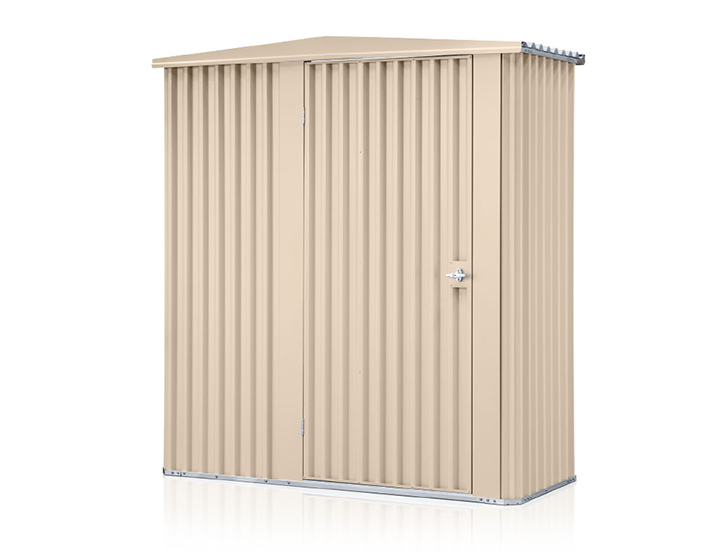
Stratco Handi-Mate Hinged Door
Whether you're installing a compact Stratco Handi-Saver Garden Shed or a larger Handi-Mate Garden Shed, the best foundation depends on the shed's size, intended use and manufacturer's installation requirements.
Can You Install a Garden Shed on Pavers?
Pavers can provide an attractive, level surface for some garden sheds, particularly where an existing paved area is available.However, simply placing a shed on loose pavers isn't recommended. Pavers can shift or settle over time, especially when the ground beneath them hasn't been properly prepared.
More importantly, the shed must be securely anchored to withstand wind loads. Ordinary paving stones may not provide sufficient anchoring strength.Some manufacturers permit installation over engineered paving systems with independent concrete footings. Others require the shed to be fixed directly to suitable concrete.
For example, the Stratco Handi-Saver installation instructions specifically prohibit anchoring the shed to pavers.
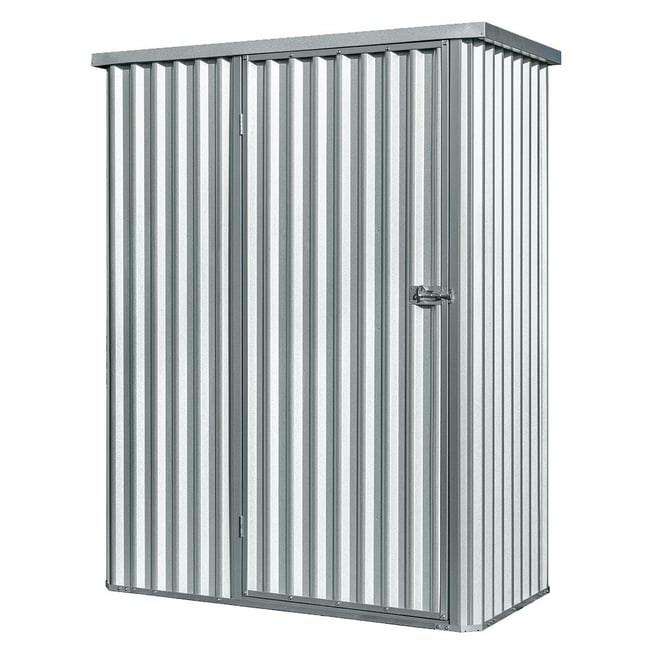
Before installing any Stratco Garden Shed, check the foundation and anchoring requirements for your chosen model.
Why Choose a Concrete Slab for a Garden Shed?
A concrete slab for storage shed installation is often the preferred option for permanent backyard structures. It provides a continuous, stable surface and allows the shed to be secured with suitable concrete anchors.
Benefits include:
- Reliable stability: Helps minimise movement and uneven settling.
- Secure anchoring: Provides a suitable base for manufacturer-approved fixings.
- Durability: A properly designed slab can support long-term outdoor storage.
- Easy maintenance: A concrete floor for shed storage is practical for lawnmowers, bicycles and garden equipment.
- Moisture management: Correctly designed slab edges and drainage can help reduce water entering the shed.
When planning a concrete slab garden shed installation, it's important to follow the manufacturer's specifications rather than assuming every shed requires the same slab thickness or construction method.
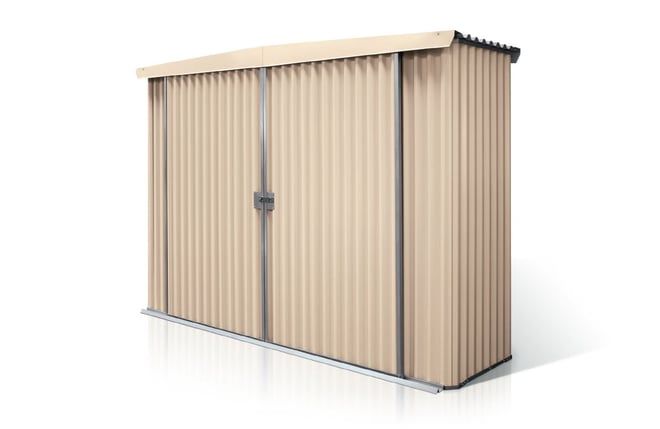
For larger storage options, such as the Stratco Handi-Mate Locker, a properly designed concrete foundation can provide the stability needed for everyday use.
What About a Timber Shed Base?
Timber is another option homeowners consider when preparing a shed foundation, particularly for raised installations.
A shed base timber frame may be suitable for certain lightweight sheds when it is specifically designed to support the structure and meet the manufacturer's fixing requirements.
Advantages can include easier construction on some sites and a raised floor that helps separate stored items from surrounding ground moisture.However, timber requires careful material selection, ventilation and protection against decay and termites. It must also provide a suitable structural load path for secure anchoring.
When comparing shed base timber construction with concrete, consider ongoing maintenance, expected loads and the shed's installation instructions. A timber floor or platform does not automatically replace required concrete footings.
Pavers vs Timber vs Concrete: Which Shed Base Is Better?
Before choosing between pavers, timber and shed slabs, consider how long you intend to use the shed and what you'll store inside.
| Foundation | Advantages | Considerations |
|---|---|---|
| Pavers | Neat appearance; can integrate with existing landscaping | Ground movement and anchoring limitations |
| Timber | Can create a raised floor suitable for approved designs | Requires protection from moisture, decay and termites |
| Concrete | Stable, durable and practical for secure anchoring | Higher initial cost and more preparation |
For many permanent metal sheds, a concrete slab for storage shed use offers a dependable long-term solution. However, the final choice should always meet the manufacturer's requirements.
How to Prepare a Concrete Foundation for Your Shed
Proper preparation is essential when installing a concrete slab for storage shed applications.
1. Choose a suitable location
Select an accessible area with good drainage. Avoid low-lying ground where stormwater collects, and check applicable council requirements before starting.
2. Check the manufacturer's instructions
Confirm the required slab dimensions, thickness, reinforcement and anchoring details for your shed.
3. Prepare and level the ground
Remove vegetation and unsuitable soil, then prepare the sub-base according to the site conditions and slab design.
4. Construct the concrete foundation
Whether you're installing small shed slabs or a larger foundation, the concrete must be suitable for the intended loads, local ground conditions and specified anchors.
5. Allow the concrete to achieve the required strength
Do not install anchors or assemble the shed until the concrete has reached the strength required by the installation specifications.
6. Secure your shed
Use the approved anchoring system and fixing locations specified for your shed model.
Stratco offers Garden Shed Accessories and Installation products, including masonry anchors and footing brackets for compatible sheds.
Make the Most of Your Shed with Storage Accessories
Once your shed is installed, consider adding accessories to improve organisation and make everyday storage more convenient.
The Stratco Handi-Mate Storage System includes practical accessories such as pegboards, shelf kits and shelving rails.
Pegboards help organise frequently used garden tools, while shelves make use of vertical wall space and keep smaller equipment off the floor. A concrete floor for shed storage also makes it easier to position suitable freestanding racks and move wheeled equipment in and out. Choose accessories compatible with your shed and follow the specified load limits.

Find the Right Foundation for Your Garden Shed
So, can a garden shed sit on pavers, or does it need a concrete slab? The answer depends on your chosen shed, the site conditions and the manufacturer's foundation requirements.
Pavers or timber platforms may work for certain approved installations, while a properly designed concrete slab garden shed foundation offers a durable solution for many permanent storage structures.
Frequently Asked Questions
Some sheds can be installed over correctly prepared pavers, but only where the manufacturer approves the foundation and anchoring system. Many permanent metal garden sheds require suitable concrete footings or a slab.
Not always. A concrete slab for storage shed installation may be recommended or required, depending on the model. Some smaller sheds can use alternative approved footing systems.
The required thickness depends on the shed's design, ground conditions, loads and anchoring requirements. Check the manufacturer's specifications rather than assuming a standard thickness will suit every shed.
A shed base timber platform may be suitable for some models, provided it is structurally sound and approved for the installation. Separate concrete footings may still be required for anchoring.
Concrete is not automatically waterproof. Correct site drainage, slab edge detailing and appropriate sealing are important for reducing moisture entry.